
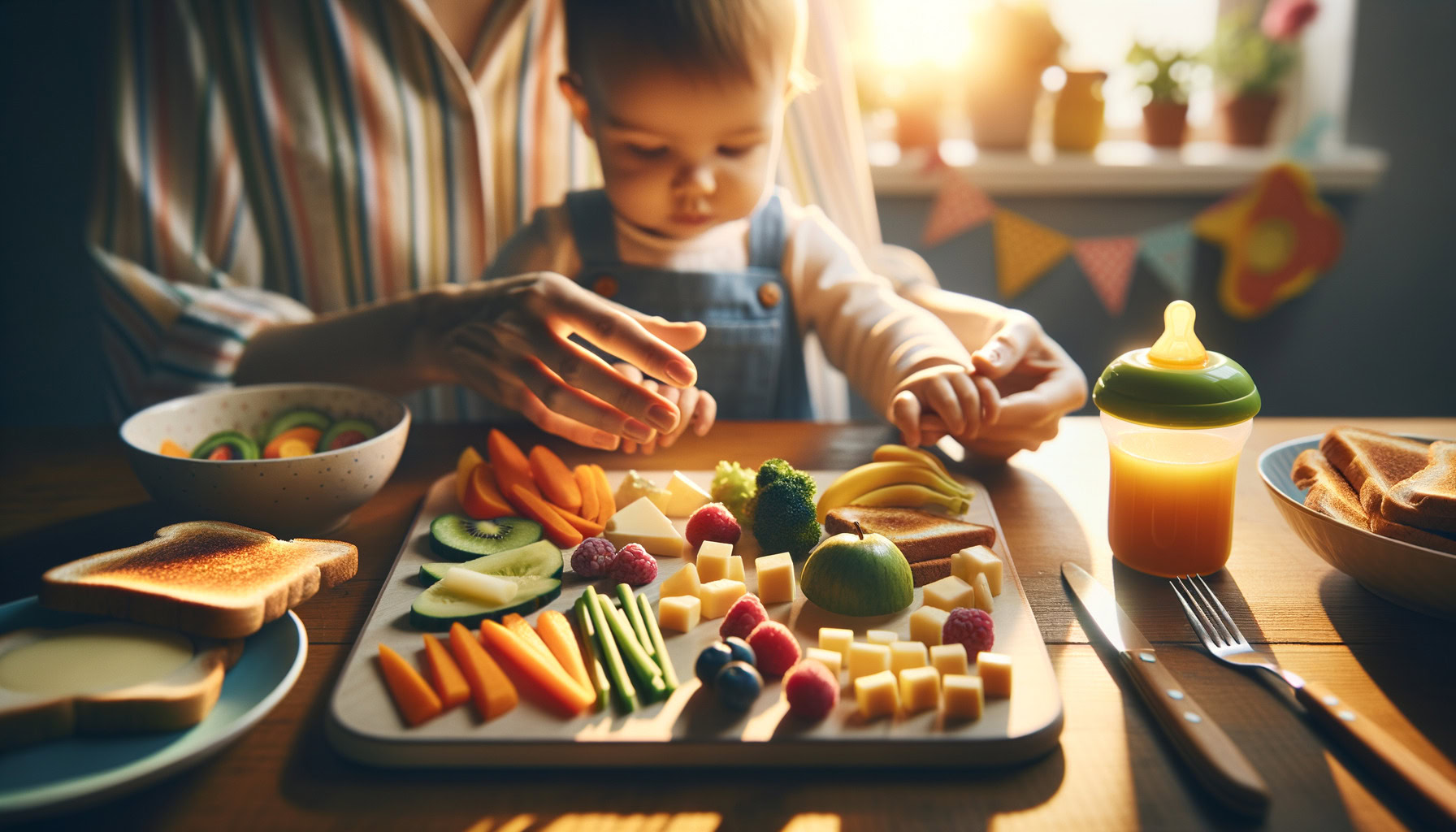
I still remember my daughter’s first birthday breakfast: she smashed her avocado toast into her hair and was delighted about it. Feeding a one year old is rarely neat—and honestly, it doesn’t have to be. At this age, kids aren’t just eating for nutrition, they’re learning about food, independence, and family. So what are the best first foods for one year olds? Here are my real-world favourites, along with tips that actually work in a busy parent’s kitchen.
What Makes a Good First Food for One Year Olds?
There’s this sweet spot between safe, nutritious, and something they’ll actually eat (and not just crumble onto the floor). At one year, most kids can manage soft finger foods and can drink cow’s milk or breastmilk alongside meals. Family meals are encouraged now, so you don’t need separate fancy recipes! According to the NHS, variety is the goal—offer foods from different food groups, textures, and flavours. Read more on NHS advice.
Our Favourite First Foods for One Year Old
Soft Fruits and Veggies: The Winners
Berries, banana slices, soft steamed carrots or peas, and ripe avocado all disappear fast in our house. My youngest went through a phase where he only ate blueberries and cheese for days—completely normal. Rotate colours and shapes to spark curiosity (even if it all winds up on the floor). If you’re not sure about safe food sizes, check out this handy chart on baby stomach size and ages.
Toast, Oats, and Other Grains
Fingers of wholemeal toast, plain or with a thin spread of hummus, nut butter, or soft cheese are always a winner. Try porridge oats cooked with milk and mashed banana for breakfast—it’s easy to scoop and filling too.
Protein: Not Just for Grown-Ups
At one, little ones can try a broad range of proteins. Shredded chicken, soft-cooked fish (de-boned thoroughly), boiled egg pieces, and lentils all work well. If you have an allergy concern, here’s thorough info on introducing allergenic foods.
Dairy and Calcium Boosts
Small cubes of mild cheese or yogurt (unsweetened is best) are great sides. Just watch salty cheeses. Some mornings, a bowl of full-fat plain yogurt with soft fruit kept my two occupied long enough for me to have actual hot coffee.
Healthy Fats and Spreads
Avocado slices, nut butters (thinly spread) and a drizzle of olive oil on veggies boost flavour and energy. Remember, nuts and nut butters need to be smooth and food needs to be served in safe sizes.
What About Allergies and New Foods?
I remember feeling a bit nervous introducing peanuts and eggs for the first time, but the latest advice—even from the World Health Organization—recommends introducing common allergens in small amounts after six months. Just introduce new foods one at a time, and keep an eye on reactions. This helps if you ever need to trace back a cause.
Family Foods that Work for One Year Olds
Dinner gets so much easier when your toddler eats what everyone else is eating. Pasta with a simple tomato sauce, soft-cooked veggies, and pieces of roasted chicken all make the cut here. My go-to: roasted sweet potato wedges. They’re soft, a little sweet, and easy for tiny hands to hold.
First Foods for Picky Eaters
One night, my eldest decided green beans were the enemy. But the next day, she gobbled them after seeing her dad eat a handful straight off the tray. Toddlers’ tastes change constantly. Some tips:
- Offer new foods with familiar ones
- Serve meals family style—let them pick what they want
- Don’t stress if dinner becomes a snack or vice versa
- Exposure is key—it can take 10 tries (or more!) before they warm up to a new food
Drinks: What About Water and Milk?
By twelve months, your child can have cow’s milk as a main drink—unless you’re still breastfeeding. Water should be offered with meals and between snacks. Wondering exactly when babies can drink water? Here’s a detailed post on water for babies.
What to Avoid for One Year Olds
Even with more foods on the menu, some things are still a no-go:
- Whole nuts (choking risk)
- Honey (risk of botulism under one; safe now, but introduce with care)
- Too much salt or sugar
- Raw shellfish or undercooked eggs
- Big chunks of hard fruit/veg (like raw carrots or apple slices—always cut into safe sizes)
For a deeper look at what the first year is really like, take a peek at what to expect from 0-6 months—it gives a great baseline for how much changes as your little one grows.
Sample Day: Our First Foods for One Year Olds
Here’s what a real menu sometimes looks like in our house:
Breakfast: Porridge with mashed banana and blueberries, or toast with nut butter and fruit wedges
Lunch: Soft cheese sandwich, steamed broccoli, and yogurt
Snack: Mini rice cakes, cubes of melon, water
Dinner: Pasta with meat sauce, soft-cooked carrots, or chicken and sweet potato
And if all they eat today is fruit and toast? Tomorrow is a fresh start. Toddlers are naturally unpredictable when it comes to food.
Final Tips for Stress-Free Mealtimes
- Eat together when you can—it helps kids learn
- Keep portions small (they can always ask for more)
- Don’t bribe or battle; keep food neutral
- Trust their appetite and signals
Above all, try not to worry if your one year old’s meals look nothing like glossy recipe photos. Most days mine looked like a fruit explosion next to a crust of toast. Feeding a one year old is messy, surprising, and so much more fun when you let go and enjoy the chaos.
For even more gentle, practical advice about food and sleep habits, check out Why Nights Feel Harder for New Parents. And remember—you’re not alone in the food flinging, cheerio scattering, and banana mashing. We’ve all been there, and it does get easier!