
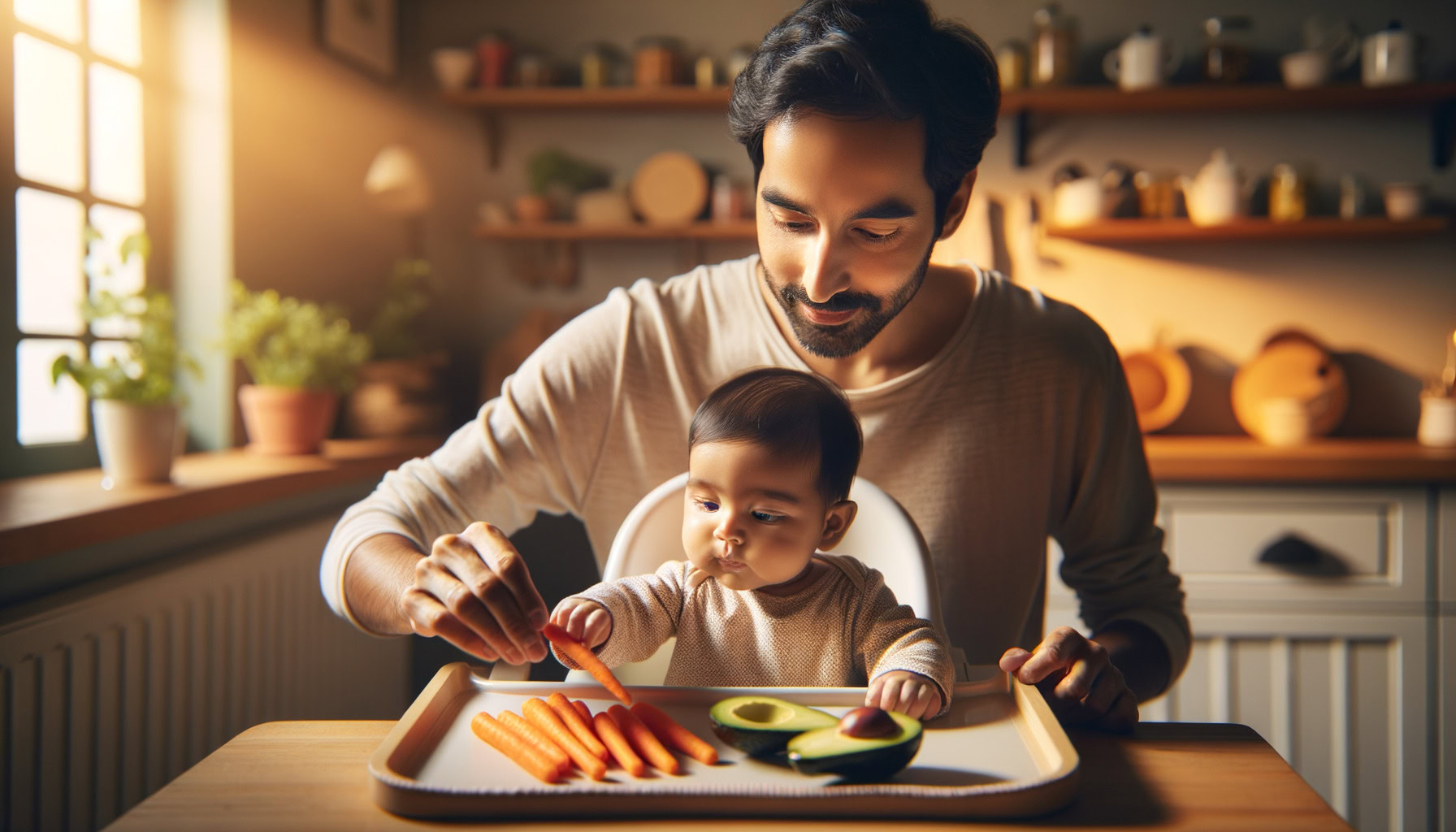
I still remember the first time we handed our son—just past six months—one perfectly ripe avocado slice and a few flopsy bits of steamed carrot. He looked at me, looked at the food, then gleefully squished it between his fingers and smeared green everywhere except his mouth. If you’re starting baby led weaning, know this: that scene right there is utterly normal, and honestly, part of the fun.
What Actually Is Baby Led Weaning?
I thought “baby led weaning” sounded a bit mysterious at first, too. It’s really just letting your baby grab, explore, and feed themselves family foods from the first bite, instead of spoon-fed purees. The idea is that babies can try safe, finger-sized foods and join family mealtimes as soon as they’re ready.
Instead of separate baby meals, your little one eats what you eat (with a few tweaks for safety) and learns all those messy, wonderful skills at their own pace. If you want a full run-down of what to expect at this age, I found this guide on what to expect for babies 0-6 months incredibly handy when we first started.
When Should You Start Baby Led Weaning?
Both of mine started around the six-month mark. Most babies are ready for baby led weaning when:
- They can sit up (mostly) unassisted.
- They show interest (reaching for your food, watching you eat).
- They’ve lost that tongue-thrust reflex (so food isn’t just pushed out).
I still double-checked with our health visitor. Lots of parents find the NHS advice on starting solids clear and reassuring.
Do You Have to Wait Until Exactly Six Months?
Short answer: pretty much, yes. Before six months, babies’ tummies just aren’t ready. If you want to know why, it’s worth checking out this piece on baby stomach size by age—it’s wild how tiny their bellies are at first!
Signs Baby is Ready for Baby Led Weaning
With both kids, I noticed a clear pattern:
- They grabbed spoons (and tried to eat my toast!)
- Mealtimes became a staring contest—baby vs my lunch
- Sitting up unassisted for a decent chunk of the meal
- Less tongue thrusting
If your little one is eager and has hit these milestones, you’re probably good to go!
How to Prepare for Baby Led Weaning
You don’t need fancy gear. Here’s what you’ll use all the time:
- A sturdy highchair with good support
- A wipe-clean mat or old towel under the chair
- Bibs (honestly, just get the wipeable kind)
- A camera handy for the faces (optional—my phone is full of carrot-covered grins)
And of course, food that’s soft, safe, and easy to hold. (More on that below!)
Safety First (and Always)
I worried a lot about choking—especially after a scary cough or two. Here’s what helped:
- Finger-shaped is best: Foods about as long as your thumb.
- Everything soft: Could you mash it between two fingers?
- No whole grapes, nuts, or hard raw veggies (they’re choking hazards).
- Sit with your baby at all times while eating.
- Never offer foods like honey before 12 months (same goes for salt and added sugar).
If you want reassurance, the NHS weaning safety guide breaks it down well.
Best First Foods for Baby Led Weaning
Our starter list was a mix of new flavors and familiar soft textures:
- Steamed carrot sticks
- Slices of ripe avocado
- Steamed sweet potato wedges
- Banana (leave some peel on for grip!)
- Soft-cooked broccoli florets
- Strips of omelette
- Toast fingers (no added salt or butter)
- Soft pear or peach slices
If you’re feeling nervous, start with one food at a time. The mess is inevitable (my daughter painted her whole tray with mashed avocado on day three), but watching them figure it out is pure magic.
Introducing Potential Allergens
We used to be told to wait, but now the advice is different: introduce common allergens early and gradually, one at a time, and watch for a reaction. I did tiny bits of well-cooked egg, peanut butter thinned with water, and plain yogurt. More detail on introducing allergenic foods to babies here, if you have a family history of allergies or just want extra peace of mind.
What About Water and Milk?
Your baby should still have breast milk or formula as their main drink until 12 months. Small sips of water with meals are fine once solids start (here’s more on when babies can drink water).
How Much Should Baby Eat?
I stressed about this more than I’d like to admit. Some days, one bite. Other days, half a banana and all the toast. The point, genuinely, is for your baby to explore and learn. Solid food is practice—milk is still their main nutrition right now. If you’re tracking, NHS and World Health Organization advice lines up here: let your baby set the pace.
Baby Led Weaning vs. Purees
We did a bit of both—baby led weaning with finger food at every meal, plus spoon-fed yogurt or porridge when the baby wanted help. You don’t have to pick one and never touch the other. Both are totally normal and safe, as long as your baby’s included in family meals and safely supervised.
What to Expect (Mess, Gags, and Laughs)
I’m not kidding—some meals looked like a veggie explosion for months. Gagging is also pretty common with finger foods. It’s protective, not dangerous, and you’ll quickly notice the difference between gagging (noisy, red face) and actual choking (silent, can’t breathe). There’s great advice on why nights feel harder for new parents if your baby’s sleep gets patchy with all this new food fun.
Top tips to manage the chaos:
- Dress baby (and yourself) in clothes you don’t mind staining
- Clean up together and make it part of the fun
- Take lots of photos — the avocado beard phase is brief, I promise
Baby Led Weaning Recipes to Try
You really don’t need elaborate meals. Some favorites in our house:
- Mini veggie muffins (grated carrot, spinach, egg, flour, bake in mini tins)
- Smashed peas with a squeeze of lemon on toast fingers
- Squished berries with Greek yogurt
- Roasted butternut squash sticks
Once baby hits 12 months, you’ll love having a look at these best first foods for your one year old for next steps.
Final Reassurance: You’ve Got This
Baby led weaning can be messy, nerve-wracking, and genuinely joyful. Some days your baby will eat nothing but lick the tray. Others, you’ll be shocked how much they pack in. Trust your instincts, snap a few photos, and know that messy hands and floors are part of the story.
If you’re just starting, give yourself some grace. The memories — and adorable food-covered faces — are absolutely worth it.